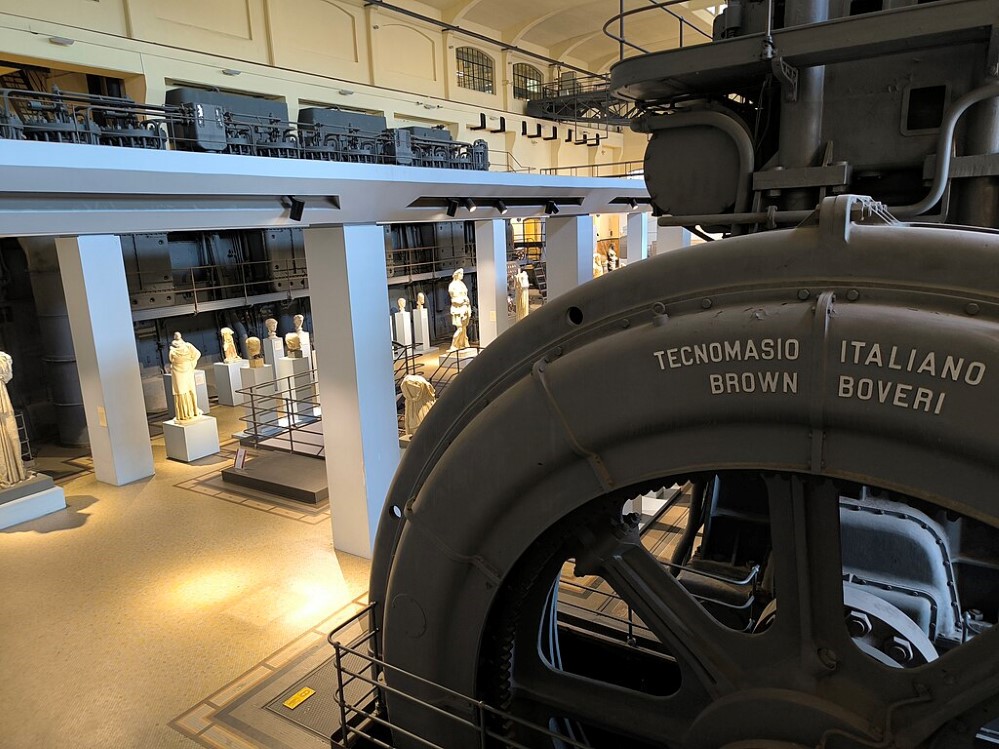
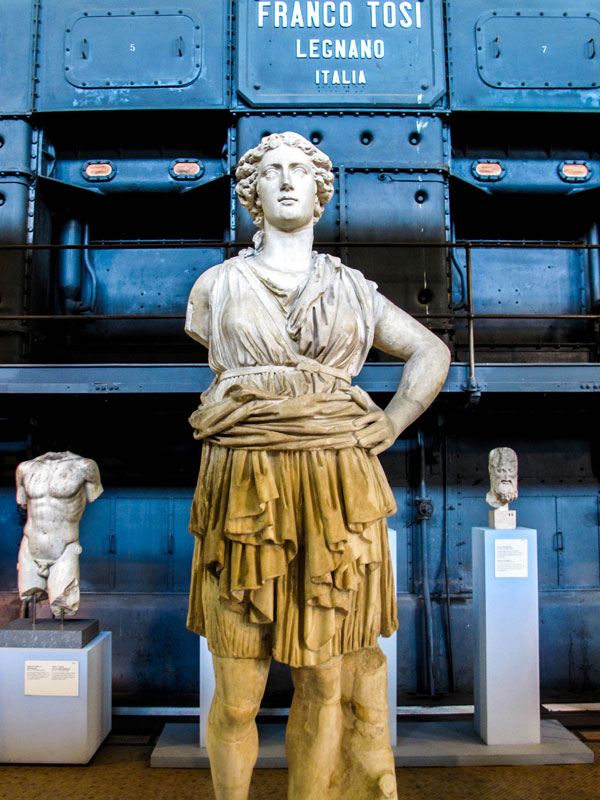
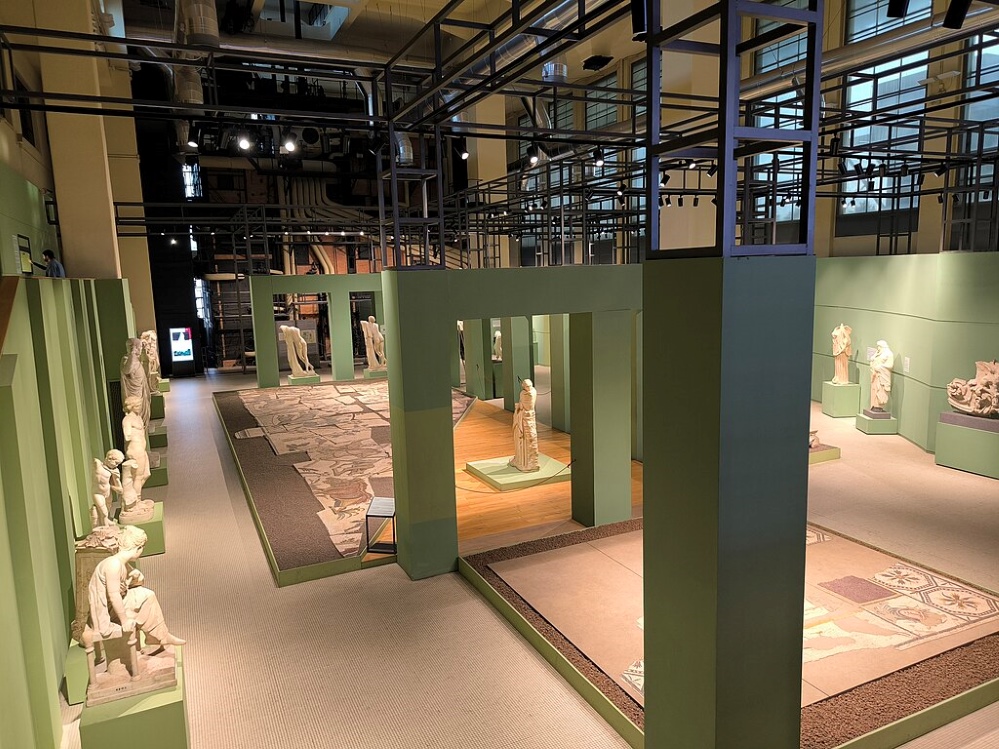
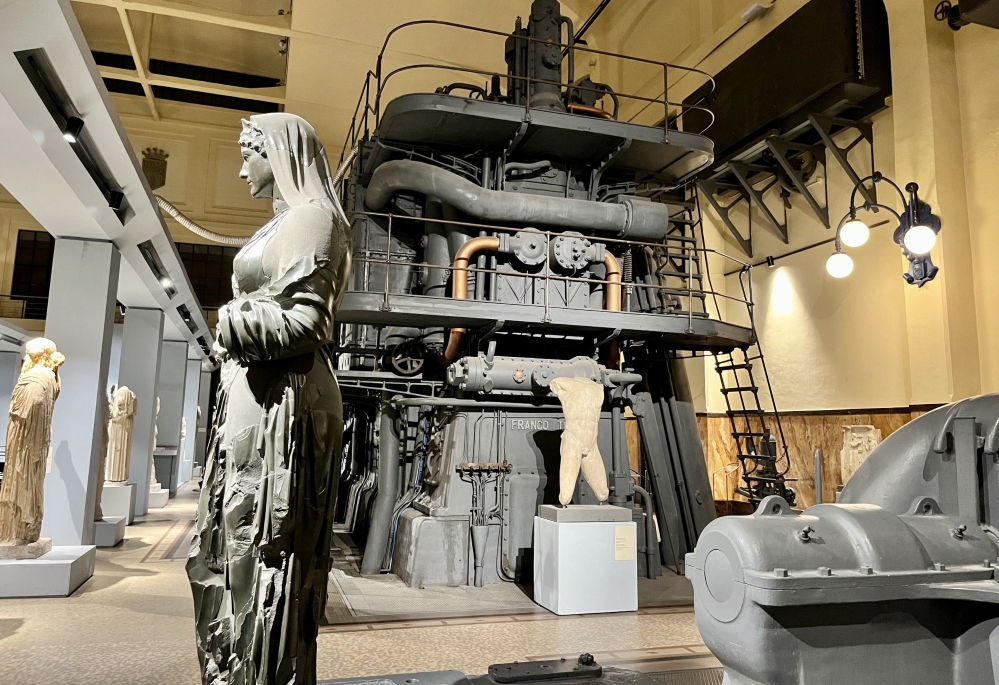
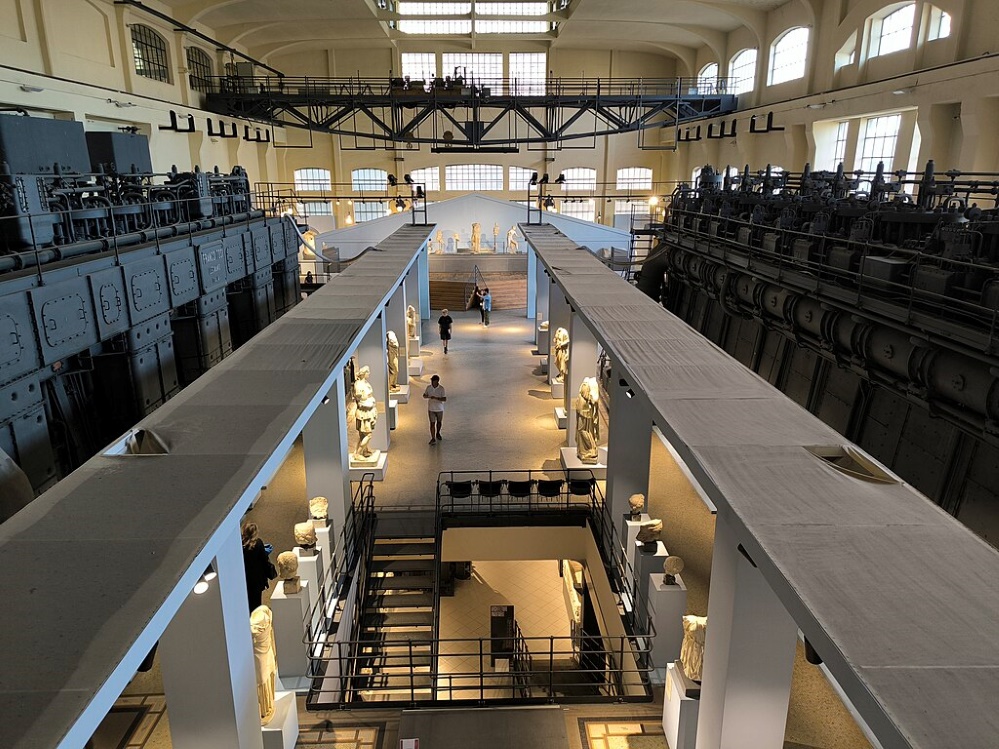
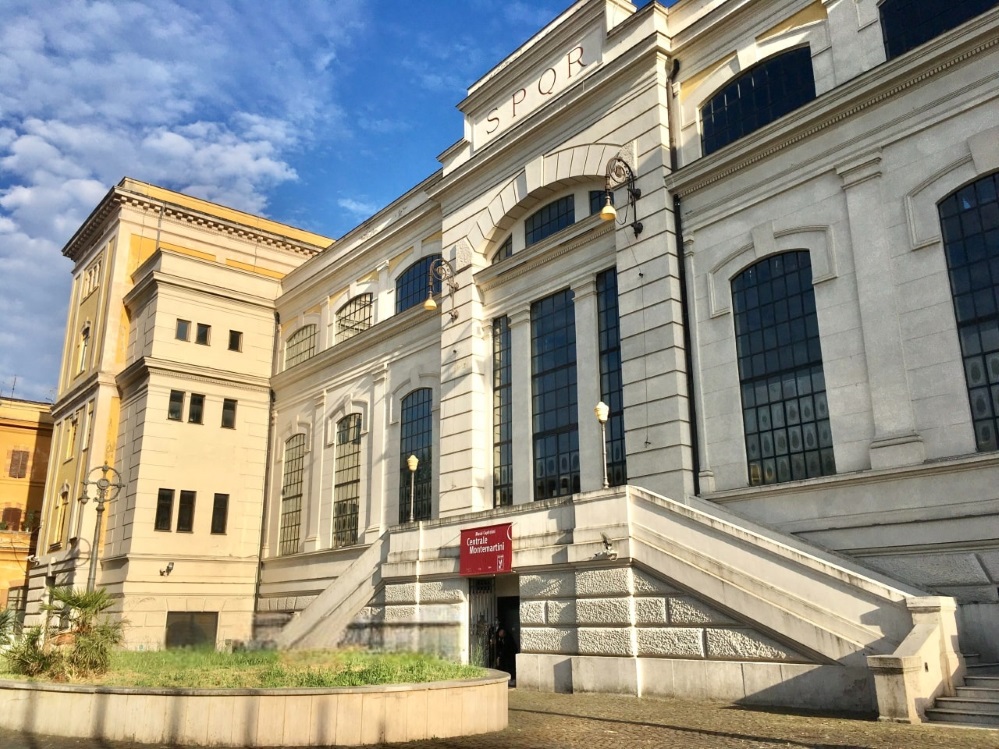
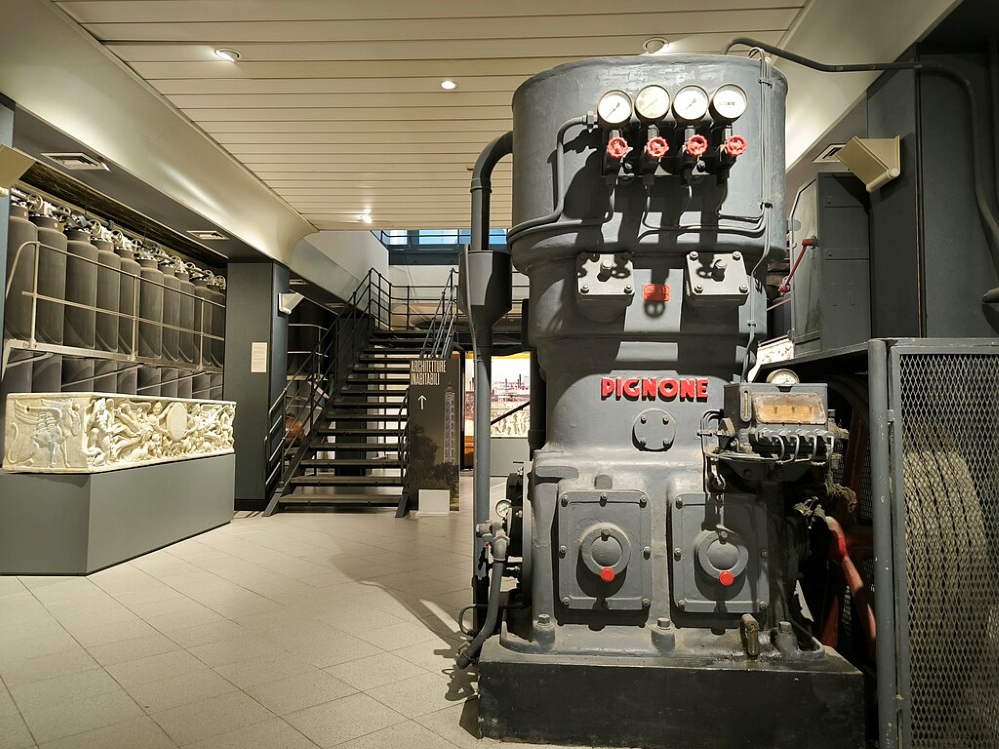
The Centrale Montemartini is an extraordinary example of the conversion of a building of industrial archaeology into a museum in which extraordinary works of classical art coexist in a stunning dialogue between the ancient and the modern with the industrial machinery that was used in the plant, within a striking Art Nouveau building.
Established as a thermoelectric power plant in 1912, in the Ostiense industrial area, it was tasked with supplying electricity to the city of Rome, which was advancing rapidly toward modernity. Decommissioned in the 1960s, the power plant became a museum in 1997, with a unique display that mixes, in the building’s majestic rooms, turbines, diesel engines, and steam boilers with sculptures, mosaics, sarcophagi, and other precious archaeological finds that came to light during excavations carried out in Rome between the late 19th century and the early decades of the 20th century, telling the story of Rome between the Republican and late Imperial ages.
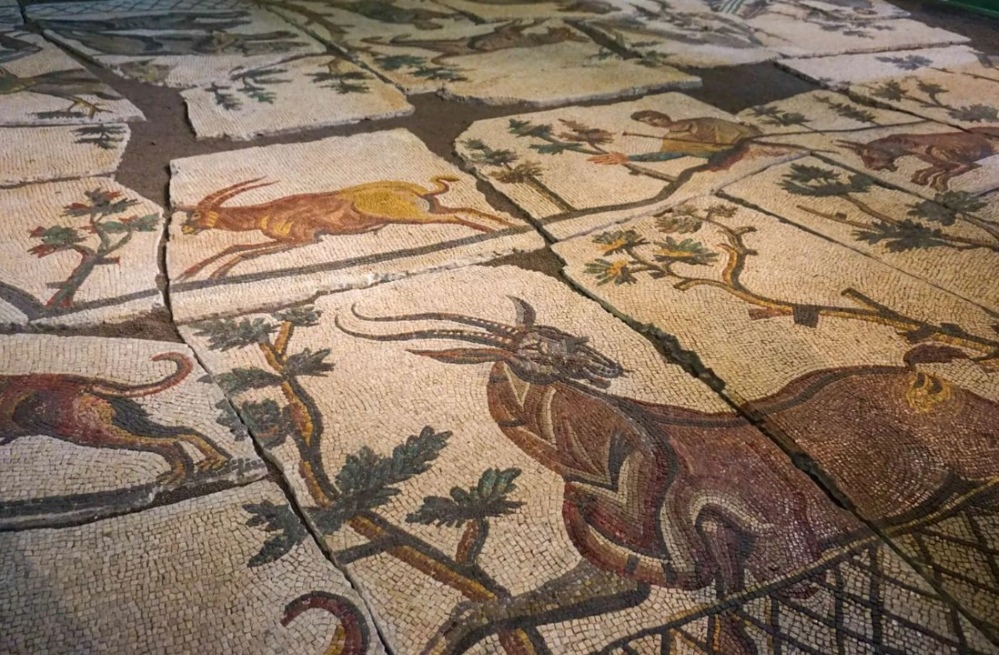
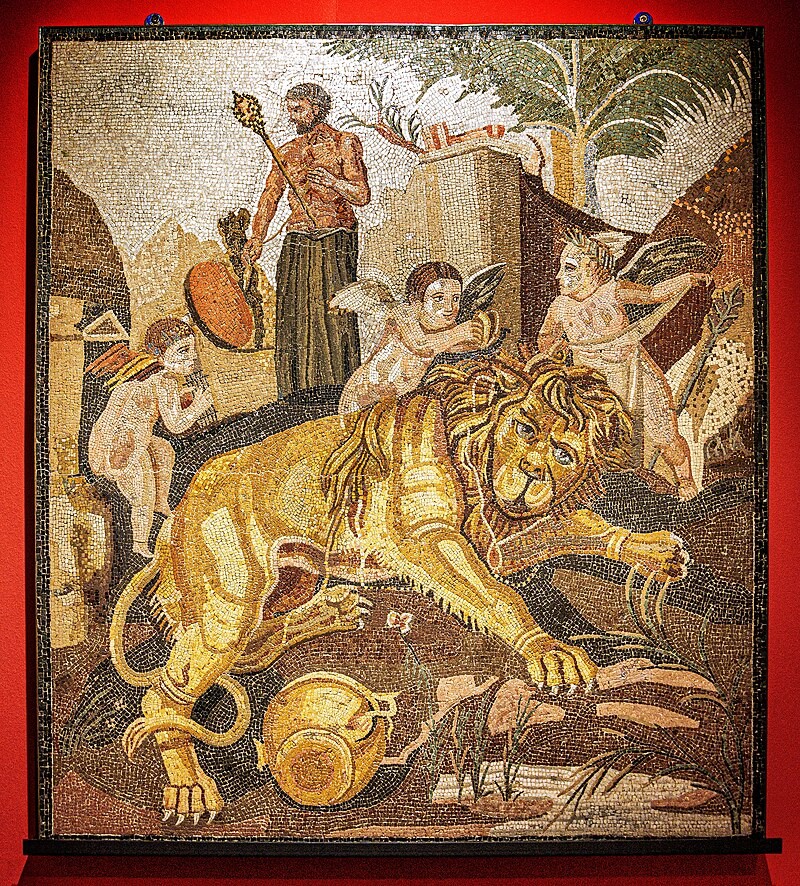
Among the masterpieces on display, which include both the statues that adorned the temples and public buildings of Ancient Rome and the works of art that decorated sumptuous private residences, stand out the sculptural cycle that decorated the pediment of the temple of Apollo Sosianus, the colossal statue of the goddess Fortuna, and marvelous mosaics including a large mosaic with hunting scenes.
One room is devoted to Pope Pius IX’s famous train, built in 1859, of which three carriages are on display: the one with the balcony from which the pope blessed the faithful; the throne car, furnished as if it were a luxurious private apartment; and the car with the consecrated chapel, where masses were held.
A guided tour not to be missed, in one of the most incredible and fascinating places in all of Rome.